AI Search Content Optimization: What SEO Experts Keep Getting Wrong, and What Actually Works
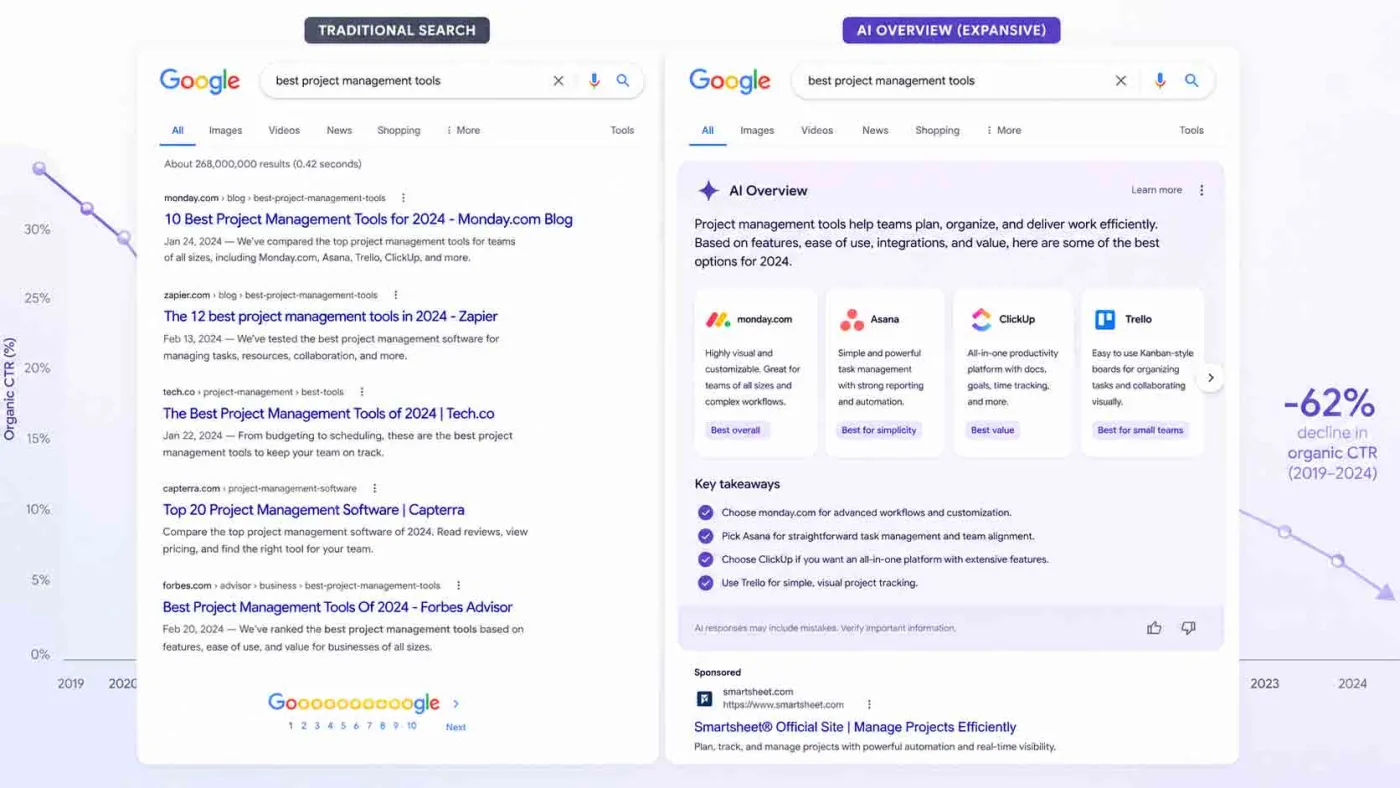
Generative AI search changed the rules of digital marketing faster than the industry has managed to absorb them. Brands have spent the last several months racing to adapt their content for AI answers, and a group of experienced SEO practitioners is warning that the old mistakes are back, just wearing new clothes. Their analysis, drawn from a recent discussion on content optimization for AI search, points to a pattern that's easy to miss: tactics that look like innovation are often just a way of avoiding the actual work.
The illusion of a quick fix
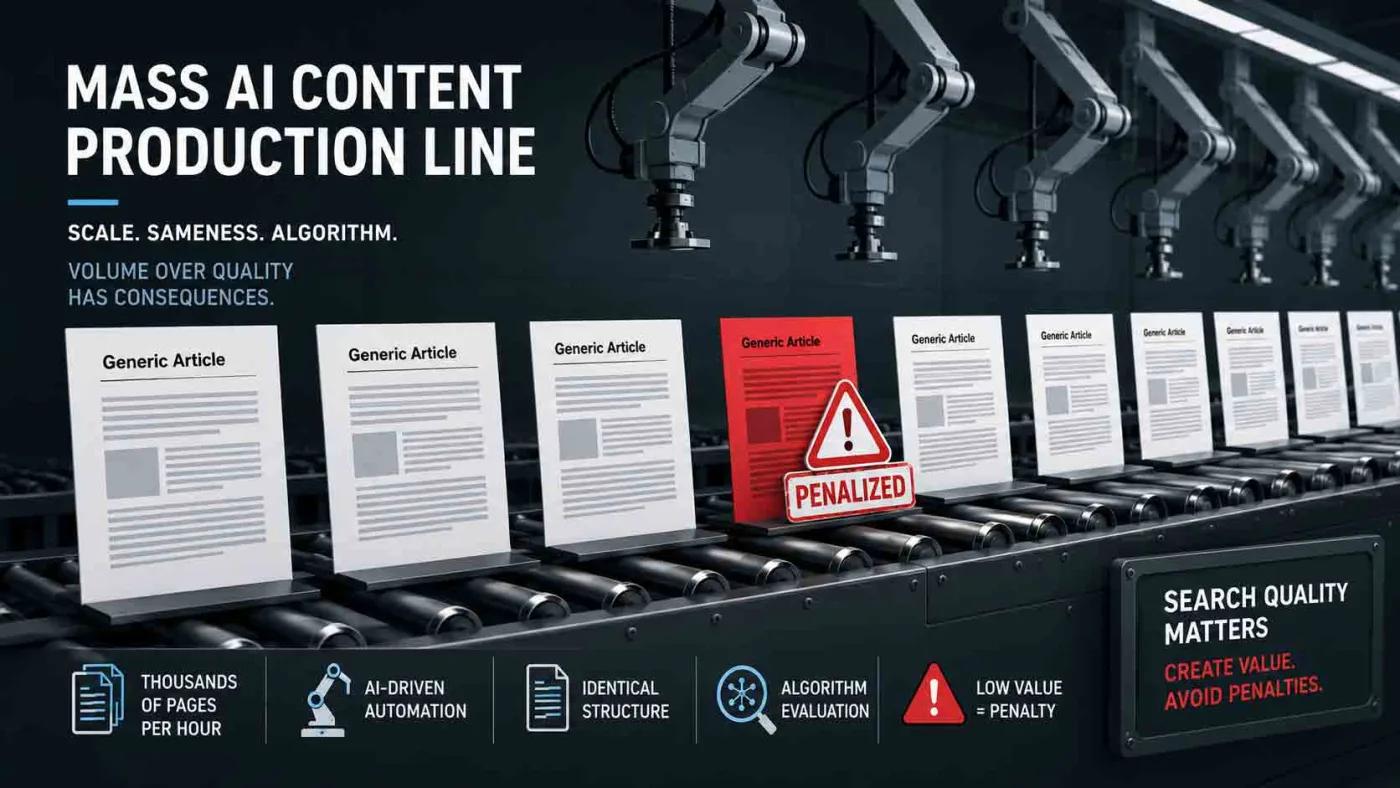
The most visible mistake is mass-producing content with AI, on the assumption that higher volume will automatically raise the odds of getting cited in AI answers. Experience says otherwise. Large language model platforms don't reward volume. They reward recognizable value, clarity, and reliability.
The real problem rarely sits in the act of writing with an AI tool. It sits in how that tool gets briefed: which sources it's given, what instructions it receives, what role it's asked to play before it starts generating. Content written without a clear brand voice, without any grasp of tone, of what the brand says and what it would never say, gives itself away to a reader almost immediately. That's not a cosmetic problem. It's a signal of unreliability that undermines both user trust and how a machine judges credibility.
No page stands alone
A second, more systemic mistake is treating every page as an island. No piece of content exists apart from the rest of the site. It's part of a wider topic cluster, part of the path a user walks from first contact with a brand to conversion. Ignore that context and you lose the chance to connect the content to the steps before and after it, which is exactly what AI systems are trying to reconstruct when they put an answer together.
That connects to a third trap: chasing tactics instead of strategy. Forcing everything into bullet points and tables because AI supposedly "chews through" that format more easily is short-term thinking. Format should follow purpose and user experience, not the other way around. The same goes for so-called workarounds, like markdown files built purely so AI bots can "read" them more easily. Effort gets poured into detours instead of what should have been standard practice all along: fast loading, clean structure, content that doesn't depend on JavaScript rendering to be visible.
The site isn't the center of the story anymore
Maybe the biggest shift in thinking concerns the role of the website itself. For a long time, the site was the endpoint of an SEO strategy. Now, according to practitioners who work with large enterprises, it's often the last stop in the customer journey rather than the first. By the time someone lands on the site, they've usually already formed an opinion of the brand from reviews, forums, social media, and video platforms.
That follows directly from how language models work. They're summarizing machines, and a good summary needs more than one independent source. If a brand's own website is the only place talking about the brand, that voice gets left out easily, because there's no external confirmation. Which is the conclusion running through the whole discussion: on-site optimization is the floor, not the goal. Real visibility in AI answers gets built off-site, through a consistent message repeated across multiple independent places.
That consistency turns out to matter enormously. When the message on the site diverges from what shows up in a Reddit thread, a specialized forum, or a press release, the language model reads that as a weaker trust signal. So tracking and aligning the message over time, especially around a launch or campaign, becomes just as important as the content itself.
Reviews, video, and micro-influence
Reviews stand out as a particularly valuable, often underused source of data. They reveal the actual language customers use, what genuinely matters to them, and the gaps in perception between a brand and its competitors. For a local business, that's a direct line to differentiation opportunities that internal research alone wouldn't surface.
Video content is carrying more weight in parallel. YouTube is one of the most frequently cited sources in AI search overviews, while TikTok, through its tracking of what's called micro-engagement (likes, shares, comments), shapes how younger audiences discover products well before they open a search bar at all. That pushes the top of the funnel toward places where people are casually browsing and being entertained, not actively searching.
Working with micro-influencers, whose audiences are smaller but far more engaged, turns out to be an effective way to set off a discovery flywheel outside the site and outside search itself. Once those mentions appear, the brand needs to track them, link to them, and engage in the comments, since that further boosts visibility both on the platform where the mention originated and inside the AI systems that later cite it.
The end of relying on default tools
The last point, and no less important, concerns measurement itself. Many still lean on the prompts automatically generated by visibility-tracking tools instead of building their own queries, ones that actually reflect their target audience and their specific value proposition. No tool, however sophisticated, knows a brand's context well enough to pick the right questions to track on its own.
Practitioners also point to a habit that's rarely put into practice but carries real value: tracking the follow-up questions an AI system suggests after its initial answer. Showing up in one response isn't enough if you don't understand where the conversation goes next. Following the patterns in those follow-up questions lets you anticipate the entire conversational path and prepare content for it ahead of time.
Finally, one of the more interesting insights concerns the neglected corners of a site, subforums and community sections that often live on technically under-optimized subdomains. That kind of content, built from real, long-running interaction between actual people, turns out to be highly valuable in the eyes of AI systems, which increasingly favor an authentic human voice over polished corporate copy.
Conclusion
The message running through this whole analysis isn't new. It's just been sharpened by a new context. The fundamentals still hold: relevance, trust, authenticity, and a consistent message. What's changed is that AI search punishes shallowness and tactical shortcuts without mercy, while rewarding what's always been the foundation of good marketing, just now scattered across far more places than it was in the era of classic search engines.